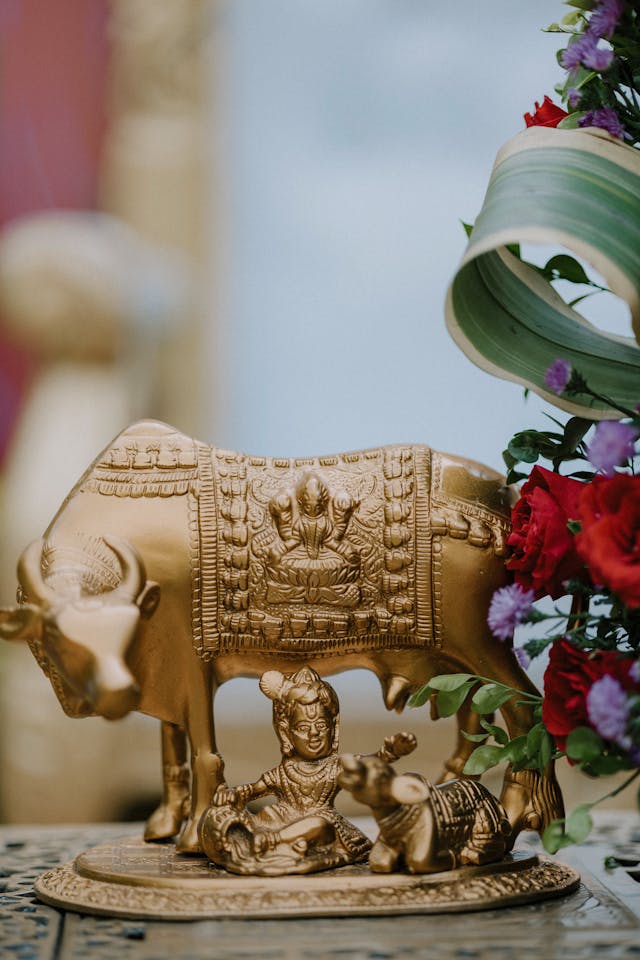
Sri Krishna Janmashtami – A Divine Celebration of Birth, Balance, and Cosmic Order
Sri Krishna Janmashtami is one of the most sacred and widely celebrated Hindu festivals, marking the birth of Lord Krishna, the eighth incarnation of Lord Vishnu. It is observed with immense devotion, joy, and spiritual significance across India and the world. The festival is not only religious in nature but also deeply rooted in History, Astrology, and even the principles of Vastu Shastra, reflecting the deep interplay between divine energy and cosmic balance.
Religious Significance of Sri Krishna Janmashtami
Janmashtami commemorates the birth of Lord Krishna, believed to have taken place over 5,000 years ago in Mathura, in the prison cell of King Kansa, who was his tyrannical uncle. Krishna’s birth was divine — destined to restore Dharma (righteousness) and vanquish Adharma (unrighteousness).
According to the Shri MadBhagavad Gita, Lord Krishna is the eternal cosmic consciousness. His teachings emphasize Karma Yoga, Bhakti (devotion), and selfless action, making his birth not just a physical event, but a symbol of the awakening of divine consciousness within every soul.
Devotees celebrate the festival with midnight vigils, fasting, devotional singing (bhajans), Dancing and reenactments of Krishna’s life — especially his childhood mischief and miracles. The Dahi Handi tradition, where young men form human pyramids to break pots of curd, symbolizes Krishna’s love for butter and his playful, fearless spirit.
Historical Background
Historically, Sri Krishna’s life is recorded in ancient texts like the Mahabharata, Srimad Bhagavatam, and the Vishnu Purana. His time is believed to be the Dwapara Yuga, the third age in the Yuga cycle. He played a central role in shaping political, philosophical, and cultural aspects of ancient Indian society.
Krishna’s role in the Kurukshetra war and his divine discourse to his most loving disciple Arjuna in the Bhagavad Gita makes his life a historical and moral guidepost for truth, righteousness, and spiritual awakening.
Astrological Significance
Astrologically, Janmashtami is observed on the eighth day (Ashtami) of the Krishna Paksha (dark fortnight) in the month of Bhadrapada, typically falling in August or September. It also coincides with the Rohini Nakshatra, considered highly auspicious and linked to Lord Krishna’s birth.
- Moon and Rohini Nakshatra: Lord Krishna was born under the Rohini constellation, governed by the Moon, which represents emotions, nourishment, and love. The moon’s influence enhances devotion, sensitivity, and divine receptivity during Janmashtami.
- Planetary alignments: The planetary positions during this time are believed to be extremely powerful, with a surge in spiritual energy and Sattvic vibrations. Devotees performing fasts and meditations during this time experience enhanced spiritual clarity.
- Astrological Remedies: Worshipping Lord Krishna on Janmashtami is believed to reduce the malefic effects of planets like Rahu, Ketu, and Saturn (Shani), bringing peace and prosperity into one’s life.
Vastu Shastra and Janmashtami
Vastu Shastra, the ancient Indian science of architecture and energy balance, also aligns with the celebration of Janmashtami.
- Placement of Krishna’s idol: During Janmashtami, placing Bal Gopal (infant Krishna) in the Northeast direction of the home — known as the Ishan Kona, considered the most sacred Vastu zone — helps enhance positive energy, abundance, and peace.
- Decorating the puja room with natural elements like flowers, tulsi leaves, butter, and curd brings harmony. Lighting a ghee lamp in the East during Janmashtami is said to invite divine blessings.
- Chanting mantras like “Om Namo Bhagavate Vasudevaya” in the Brahma Muhurta (early morning) is considered auspicious from a Vastu and astrological perspective, as it purifies the space and energizes the home.
Spiritual and Cosmic Importance
Sri Krishna Janmashtami is not merely a celebration of a historical figure but a reminder of eternal truths. Krishna’s birth represents the victory of light over darkness, love over hatred, and truth over illusion. His flute symbolizes the divine call to surrender, and his blue color represents the infinite cosmic nature.
On this night, when cosmic energies align, and spiritual vibrations peak, devotees connect deeply with the divine, seeking inner transformation and harmony with the universe.
Conclusion
Sri Krishna Janmashtami is a multi-dimensional festival, weaving together religion, mythology, astrology, and cosmic science like Vastu. It reminds us of the birth of divine consciousness and encourages each individual to awaken the Krishna within — full of love, wisdom, playfulness, and courage. Celebrating this sacred day with devotion aligns one’s soul with the eternal rhythm of the universe.
So friends wake up early in the morning, sparkle Holy water and beautiful thoughts in your house. Spread divine fragrances and call Krishna with the depth of your heart, I assure you Divine Krishna Consciousness will touch your home which will fill your heart with love joy and divinity.
Your only
Ashish K Gupta
Astrologer & Vastu Vid
Delhi
Insta – ashishkguptaofficial